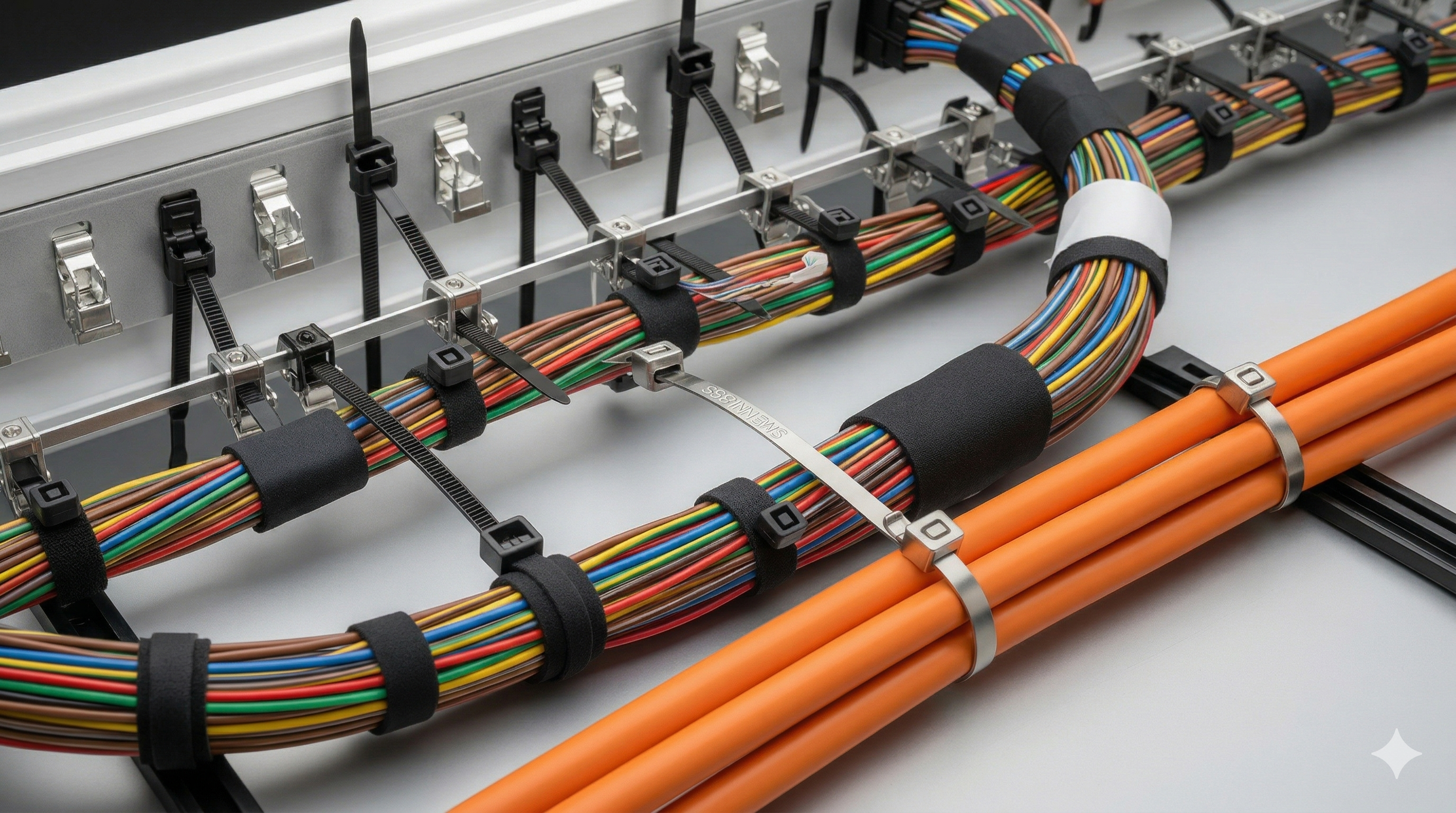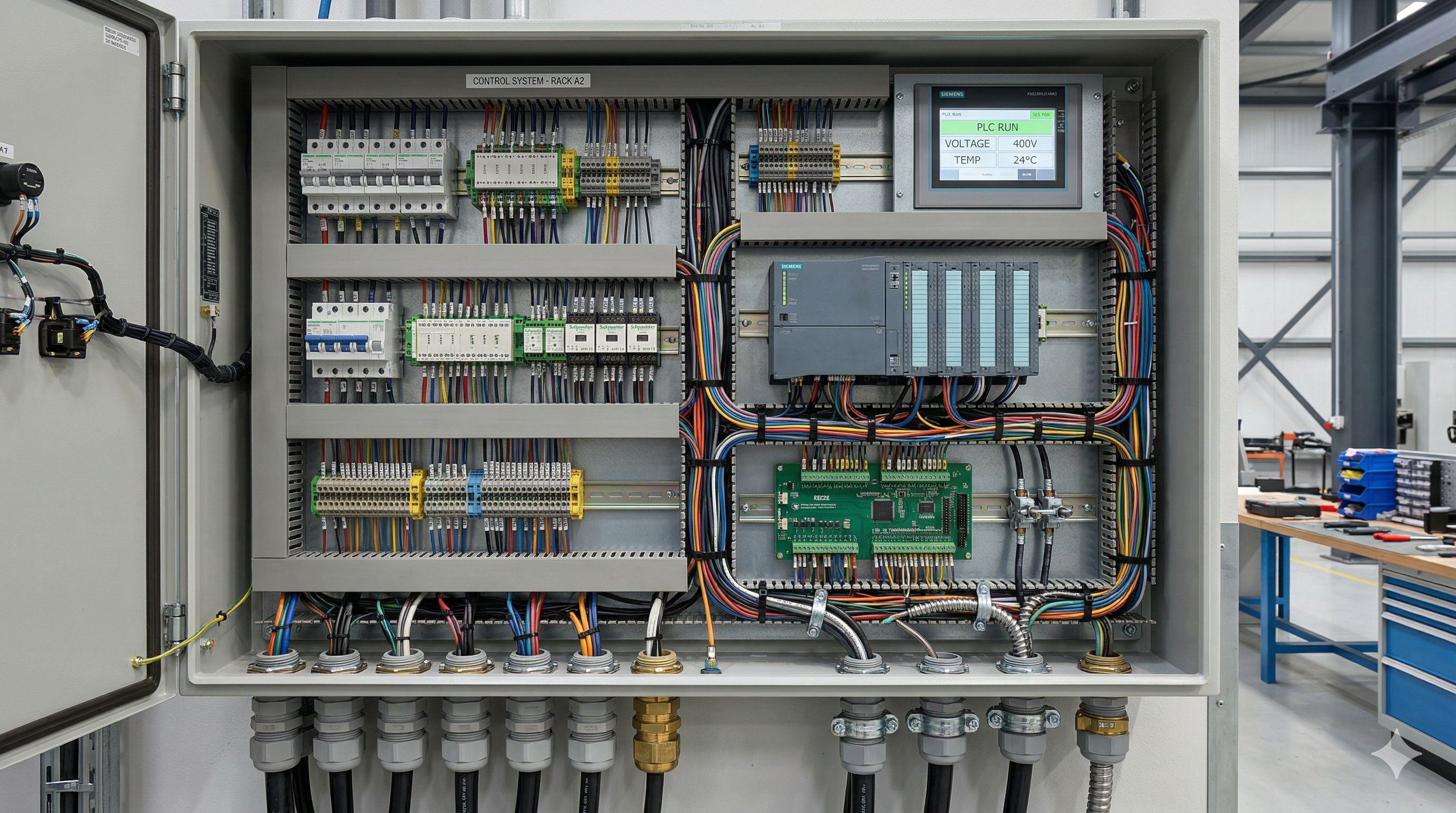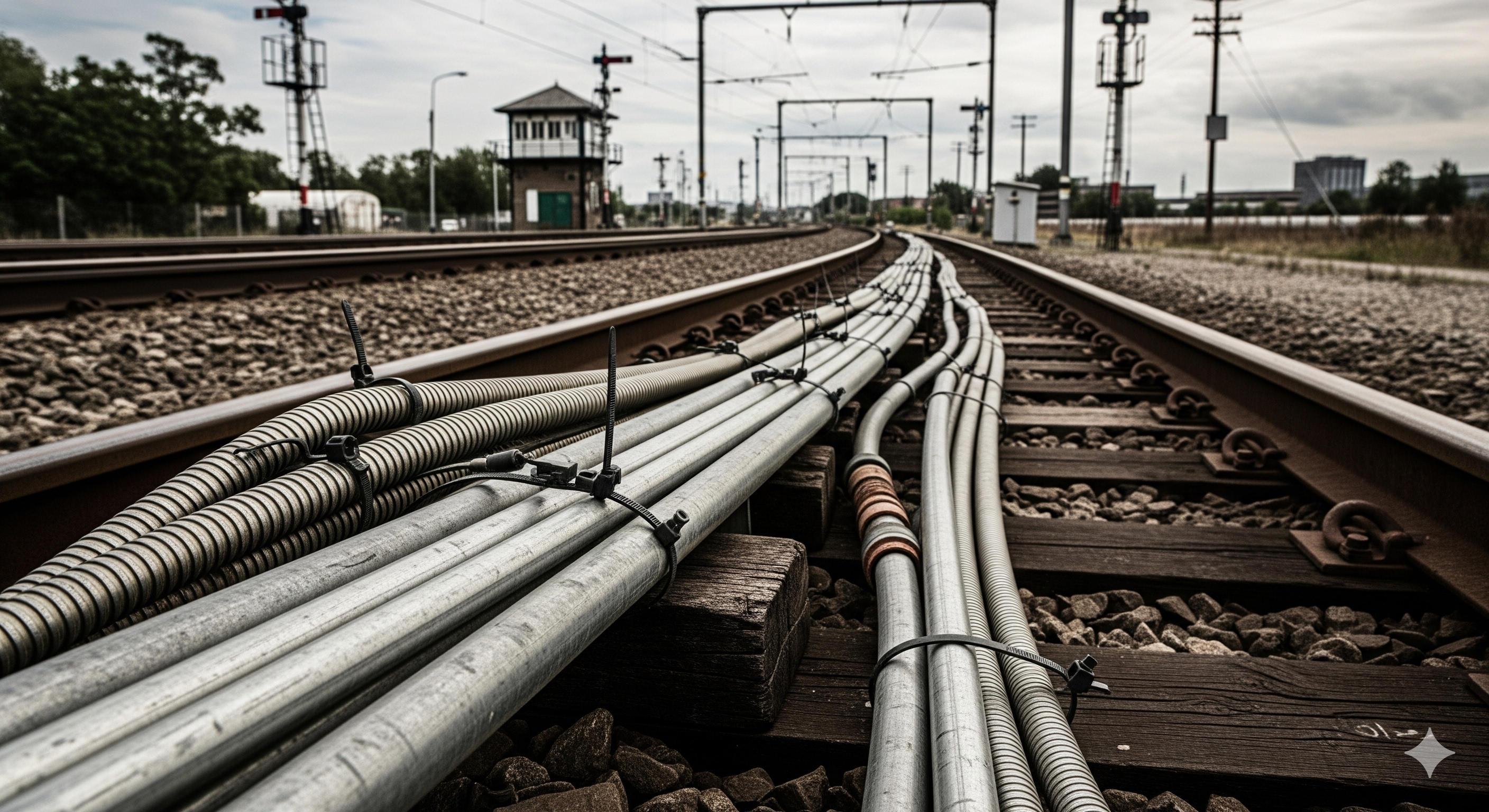
Railway and mass transit environments are among the most demanding applications for cable management components. A fire inside a tunnel or enclosed railcar is a life-safety event. That is why the EN 45545 standard governs every polymer component used in rolling stock across Europe — and increasingly across Indian Railways projects too.
What EN 45545 Requires
EN 45545-2 classifies railway vehicles by Hazard Level (HL1, HL2, HL3) and specifies reaction-to-fire requirements for every material class — including cable management components. Key requirements for cable ties and conduits:
- Low heat release rate (MAHRE) under ISO 5660 cone calorimeter testing
- Low smoke density — visibility in evacuation corridors must not be compromised
- Zero halogen content — toxic HCl and HBr gas release is prohibited
- Self-extinguishing within defined limits
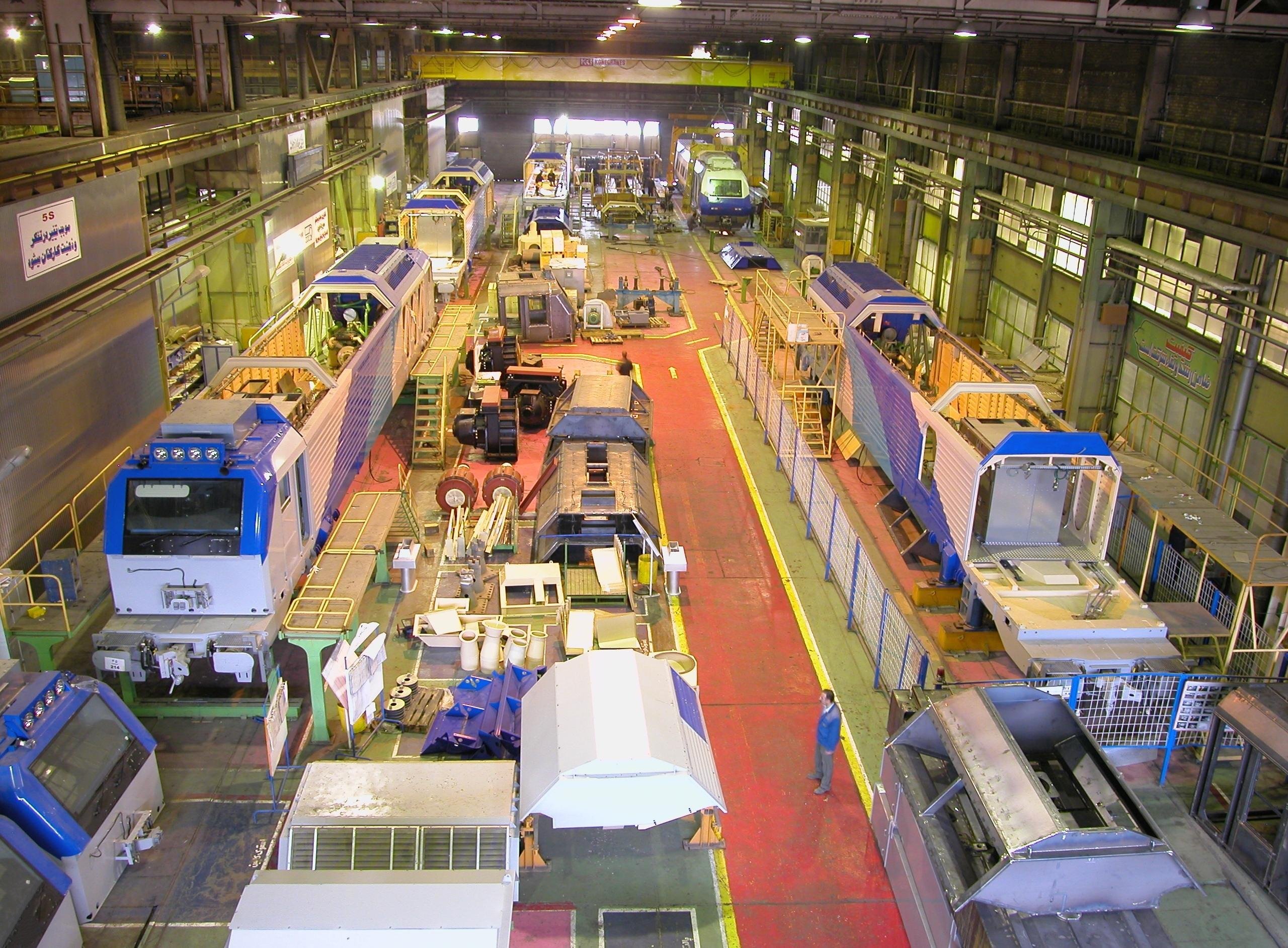 Rolling stock electrical systems require EN 45545 compliant cable management at every routing point.
Practical Specification Guide
For metro and mainline rolling stock work, specify: halogen-free, flame-retardant (HFFR) Nylon 6.6 cable ties with documented EN 45545 HL2 or HL3 certification from the manufacturer. Avoid standard black UV-stabilised ties — carbon black does not make a product EN 45545 compliant.
For cable conduit and trunking, use HFFR corrugated conduit with appropriate IP ratings. All gland and entry points into control cubicles should use IP 65 or IP 67 rated polyamide cable glands.
Indian Railways & Metro Projects
DMRC, Mumbai Metro and Vande Bharat trainset projects are increasingly aligning to EN 45545 HL2 requirements even where IS standards do not yet mandate it. Early adoption of compliant products protects OEM suppliers from mid-project specification changes.