Security & Identification Systems

High Tensile Strength
UV Resistant
Secure Locking
Wide Range of Sizes
Flame Retardant
RoHS Compliant
Security & Identification Systems

Our Security & Identification Systems Range

Reliable PerformanceTested for strength and durability
Quality AssuredMade from premium grade raw materials
Global StandardsRoHS compliant and internationally certified
Custom SolutionsTailored solutions for specific needs
Security & Identification Systems

Looking for the right solution?

Our experts are here to help you choose the best cable management solution for your application.

Contact Us
FAQ

Frequently Asked Questions

Helpful answers about Security & Identification Systems — material, applications, resistance, customisation, and quality standards.

Security & Identification Systems – Secure X are manufactured using Nylon 6 and Nylon 6.6 materials.

Yes. Security & Identification Systems – Secure X are suitable for a wide range of industries, including automotive, electrical, electronics, solar, industrial equipment, and wire harness applications.

Yes. Security & Identification Systems – Secure X are resistant to fungus, corrosion, oils, and mild chemical exposure.

Yes. Customisation is available, including colours and branding, subject to minimum order quantities (MOQ).

Yes. Security & Identification Systems – Secure X are tested and manufactured under quality-controlled standards.

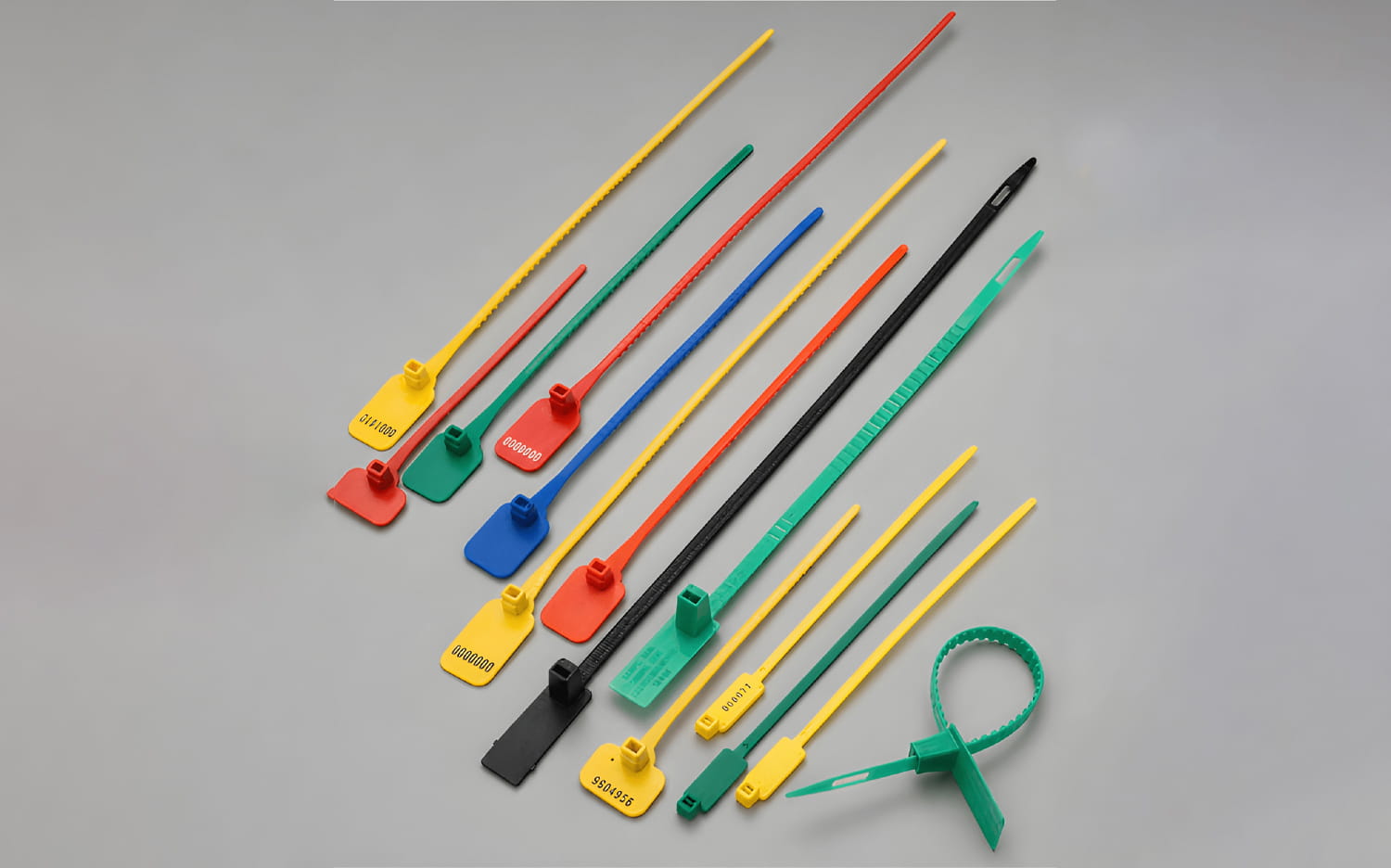
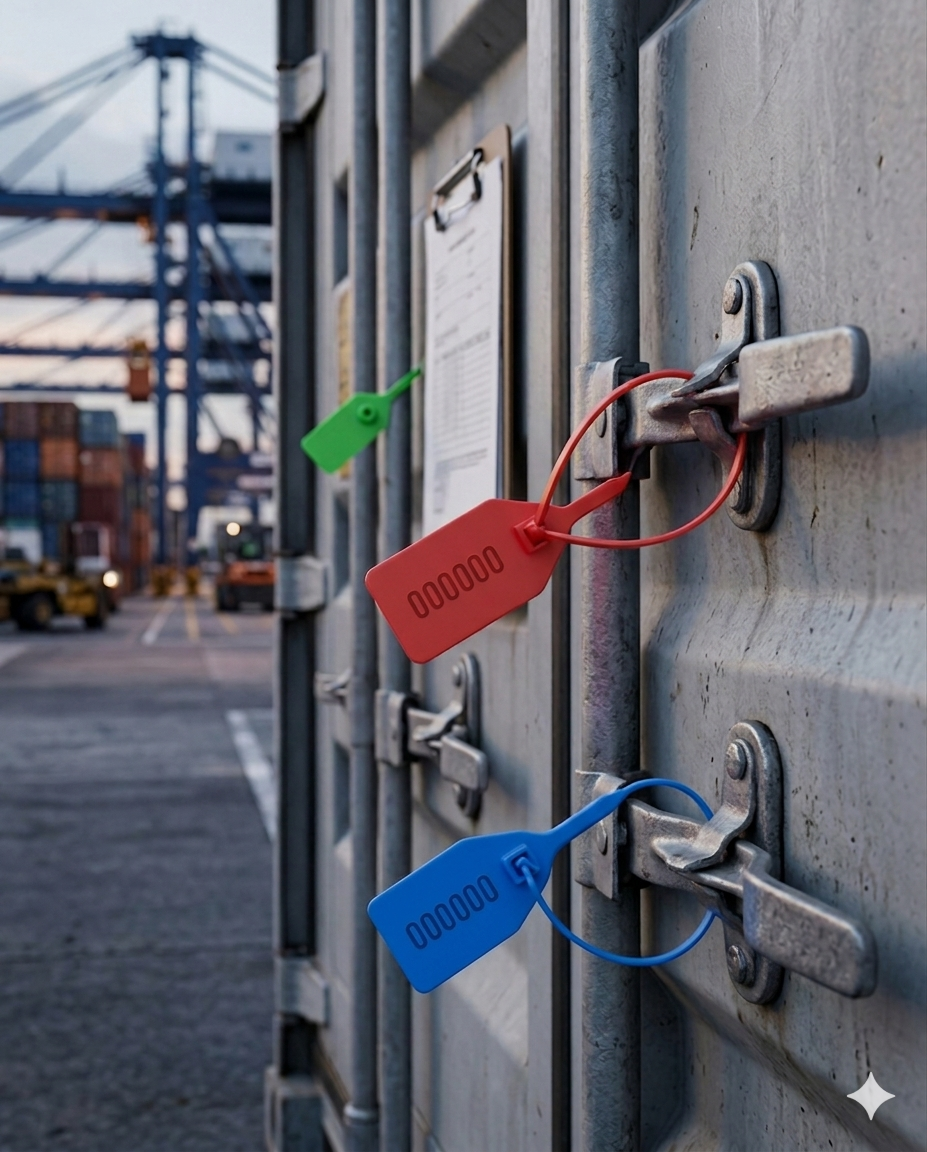
A security seal is a tamper-evident device used to secure containers, bags, equipment, meters, and shipments while providing visible evidence of unauthorized access.

Tamper-evident seals show visible signs of interference, while high-security seals provide greater physical resistance and are often used for cargo and container security.

Security seals are widely used in logistics, transportation, pharmaceuticals, utilities, banking, warehousing, retail distribution, and export industries.

Yes. Security seals can often be customized with company logos, serial numbers, barcodes, QR codes, and other identification markings.

Yes. Sequential numbering improves traceability and security control.

Yes. Customized printing options are available for enhanced tracking and verification.

Most security seals are designed for single-use applications to ensure effective tamper evidence.

Lightweight tamper-evident plastic seals are commonly used for courier and e-commerce applications.

The correct security seal depends on the required security level, application type, environmental conditions, and traceability requirements.

Depending on the design, security seals are typically cut, broken, or removed using appropriate tools.

Yes. Certain security seal types are designed to withstand outdoor weather conditions.

Security seals help prevent unauthorized access, reduce the risk of theft, improve accountability, and support regulatory compliance.