Auto-translation is for convenience only and may not reflect the exact original meaning.
Old Blogs
Key Factors Big OEMs Consider Before Finalising Long-Term Component Suppliers
Big OEMs do not finalise component suppliers as a routine procurement step. These decisions influence production stability, audit outcomes, maintenance behaviour and operational risk across multiple plants and long manufacturing lifecycles.
Oct 11, 2026 5 min read Novoflex Editorial
Listen to this blog Or 5 min Read
Big OEMs do not finalise component suppliers as a routine procurement step. These decisions influence production stability, audit outcomes, maintenance behaviour and operational risk across multiple plants and long manufacturing lifecycles.Once a supplier is approved and production scales, even minor inconsistencies can replicate across machines, shifts and facilities. For this reason, OEMs evaluate suppliers through a long-term risk lens rather than short-term performance metrics or unit pricing.Why Small Components Become Large Risks at OEM Scale?At low volumes, variation may go unnoticed. At the OEM scale, the same variation becomes measurable and repeatable.Fastening and routing components are deployed across equipment, panels and cable paths where vibration, heat and repeated access are routine. When behaviour varies across batches or installations, failures are rarely immediate. More often, issues surface as routing drift, inspection remarks, or recurring maintenance adjustments.OEMs aim to eliminate these risks before supplier finalisation rather than manage them after production is locked.How OEMs Evaluate Suppliers Before Long-Term Approval?Large OEMs involve engineering, quality, procurement and operations teams when finalising long-term suppliers. While each function evaluates different dimensions, the decision framework remains consistent.Key evaluation factors include:Consistency across production batchesControlled manufacturing and tooling processesPredictable installation behaviour during assemblyDocumentation readiness for internal and external auditsLong-term design availability without unplanned changesSuppliers that cannot demonstrate stability in these areas often introduce hidden operational costs later, even if early performance appears acceptable.Why Consistency Is Valued Over Peak Performance?OEMs do not optimise for components that perform exceptionally once. They prioritise components that perform the same way every time.For example, plastic wire clips used inside control panels must behave consistently across operators, shifts and production lines. If installation force, retention, or fit varies, inspection effort increases and standardisation becomes harder to maintain.Consistency simplifies production. Variability increases operational friction.Installation Behaviour as a Supplier Evaluation SignalSpecification alone is not sufficient for supplier approval. OEM engineers evaluate how components behave during real installation conditions.This includes observing whether fastening behaviour remains stable across different mounting surfaces, whether retention is predictable under vibration and whether routing discipline is maintained throughout the equipment lifecycle.Stable installation behaviour reduces operator dependency and supports repeatability across plants.Manufacturing Discipline as a Long-Term Risk ControlAt enterprise scale, supplier discipline is as important as component design.OEMs assess whether a supplier maintains:Controlled tooling and moulding practicesDocumented change management systemsBatch traceabilityStructured responses to field feedbackStable long-term production processesWhen fastening and routing components are deployed across multiple facilities, any unplanned variation can propagate quickly and increase operational risk.Evaluating Supplier Breadth Without Losing StandardisationOEMs rarely assess suppliers on a single SKU. Instead, they evaluate how consistently a supplier performs across related component categories.Whether reviewing wire tie mounts, routing supports, or access-control components such as security seals, OEMs look for suppliers that maintain disciplined manufacturing behaviour across their portfolio without introducing category-specific variability.This breadth supports standardisation while reducing the need to manage multiple suppliers operating under different quality systems.How Novoflex Supports Long-Term OEM Supplier Programs?When OEMs finalise suppliers, the key question is not who can supply components today, but who can support predictable production over years without introducing instability.With four decades of manufacturing experience since 1980, Novoflex is structured around this requirement. Its focus on controlled processes, tooling discipline and documented quality systems supports OEM programs once designs are frozen and production is scaled.Operating under ISO 9001:2015, IATF 16949:2016, RoHS compliance and ZED GOLD certification, Novoflex aligns its manufacturing systems with the audit and quality expectations of large industrial organisations. Components are produced under controlled conditions to support repeatable behaviour across extended production cycles.For OEMs standardising components across plants, this stability reduces revalidation effort, limits audit observations and supports long-term operational consistency. Application-specific requirements are supported without compromising documentation, traceability or repeatability.Connect with the Novoflex technical team to discuss OEM fastening requirements and long-term supply alignment for your manufacturing programs.Final Perspective for OEM Decision-MakersFinalising a component supplier is a long-term commitment that affects reliability, audit confidence and operational predictability.OEMs that prioritise consistency, manufacturing discipline and long-term availability reduce future disruption and simplify standardisation across production environments. In this context, supplier selection becomes a strategic decision focused on stability rather than transactional cost.
Big OEMs do not finalise component suppliers as a routine procurement step. These decisions influence production stability, audit outcomes, maintenance behaviour and operational risk across multiple plants and long manufacturing lifecycles.
Once a supplier is approved and production scales, even minor inconsistencies can replicate across machines, shifts and facilities. For this reason, OEMs evaluate suppliers through a long-term risk lens rather than short-term performance metrics or unit pricing.
Why Small Components Become Large Risks at OEM Scale?
At low volumes, variation may go unnoticed. At the OEM scale, the same variation becomes measurable and repeatable.
Fastening and routing components are deployed across equipment, panels and cable paths where vibration, heat and repeated access are routine. When behaviour varies across batches or installations, failures are rarely immediate. More often, issues surface as routing drift, inspection remarks, or recurring maintenance adjustments.
OEMs aim to eliminate these risks before supplier finalisation rather than manage them after production is locked.
How OEMs Evaluate Suppliers Before Long-Term Approval?
Large OEMs involve engineering, quality, procurement and operations teams when finalising long-term suppliers. While each function evaluates different dimensions, the decision framework remains consistent.
Key evaluation factors include:
Consistency across production batches
Controlled manufacturing and tooling processes
Predictable installation behaviour during assembly
Documentation readiness for internal and external audits
Long-term design availability without unplanned changes
Suppliers that cannot demonstrate stability in these areas often introduce hidden operational costs later, even if early performance appears acceptable.
Why Consistency Is Valued Over Peak Performance?
OEMs do not optimise for components that perform exceptionally once. They prioritise components that perform the same way every time.
For example, plastic wire clips used inside control panels must behave consistently across operators, shifts and production lines. If installation force, retention, or fit varies, inspection effort increases and standardisation becomes harder to maintain.
Installation Behaviour as a Supplier Evaluation Signal
Specification alone is not sufficient for supplier approval. OEM engineers evaluate how components behave during real installation conditions.
This includes observing whether fastening behaviour remains stable across different mounting surfaces, whether retention is predictable under vibration and whether routing discipline is maintained throughout the equipment lifecycle.
Stable installation behaviour reduces operator dependency and supports repeatability across plants.
Manufacturing Discipline as a Long-Term Risk Control
At enterprise scale, supplier discipline is as important as component design.
OEMs assess whether a supplier maintains:
Controlled tooling and moulding practices
Documented change management systems
Batch traceability
Structured responses to field feedback
Stable long-term production processes
When fastening and routing components are deployed across multiple facilities, any unplanned variation can propagate quickly and increase operational risk.
Evaluating Supplier Breadth Without Losing Standardisation
OEMs rarely assess suppliers on a single SKU. Instead, they evaluate how consistently a supplier performs across related component categories.
Whether reviewing wire tie mounts, routing supports, or access-control components such as security seals, OEMs look for suppliers that maintain disciplined manufacturing behaviour across their portfolio without introducing category-specific variability.
This breadth supports standardisation while reducing the need to manage multiple suppliers operating under different quality systems.
How Novoflex Supports Long-Term OEM Supplier Programs?
When OEMs finalise suppliers, the key question is not who can supply components today, but who can support predictable production over years without introducing instability.
With four decades of manufacturing experience since 1980, Novoflex is structured around this requirement. Its focus on controlled processes, tooling discipline and documented quality systems supports OEM programs once designs are frozen and production is scaled.
Operating under ISO 9001:2015, IATF 16949:2016, RoHS compliance and ZED GOLD certification, Novoflex aligns its manufacturing systems with the audit and quality expectations of large industrial organisations. Components are produced under controlled conditions to support repeatable behaviour across extended production cycles.
For OEMs standardising components across plants, this stability reduces revalidation effort, limits audit observations and supports long-term operational consistency. Application-specific requirements are supported without compromising documentation, traceability or repeatability.
Connect with the Novoflex technical team to discuss OEM fastening requirements and long-term supply alignment for your manufacturing programs.
Final Perspective for OEM Decision-Makers
Finalising a component supplier is a long-term commitment that affects reliability, audit confidence and operational predictability.
OEMs that prioritise consistency, manufacturing discipline and long-term availability reduce future disruption and simplify standardisation across production environments. In this context, supplier selection becomes a strategic decision focused on stability rather than transactional cost.
Share this article:
Written byNovoflex Editorial
The Novoflex editorial team covers product engineering, cable management applications, and industry trends across automotive, EV, aerospace, and industrial sectors.
Vibration and Durability Testing: How Automotive OEMs Validate Cable Tie Suppliers
Automotive OEMs validate cable tie suppliers through controlled vibration testing, thermal cycling, fatigue evaluation and long-duration performance analysis. The focus is not on initial strength but on behavior under sustained mechanical stress, environmental exposure and production-scale variation.
Oct 11, 20265 min read
Old Blogs
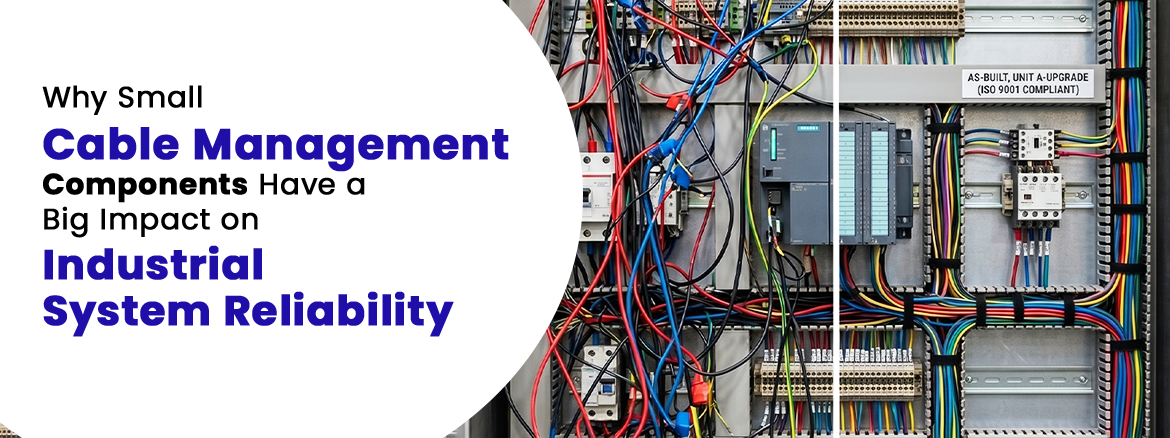
Why Small Cable Management Components Have a Big Impact on Industrial System Reliability?
Small cable management components account for only a small fraction of an industrial project's cost, yet they play a significant role in cable routing, assembly efficiency, maintenance accessibility and long-term system reliability. For OEMs, these components are not simply installation accessories; they are essential elements of a dependable cable management system.
Oct 11, 20265 min read
Old Blogs
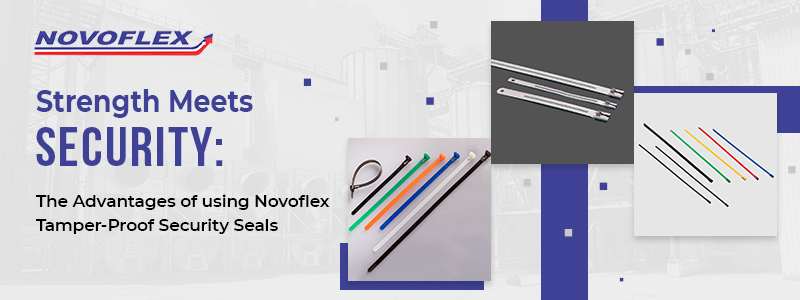
The Advantages of Using Novoflex Tamper-Proof Security Seals
In a fast-moving, interconnected world, safeguarding goods, sensitive materials, and personal effects has never been more critical. From industrial freight shipments to personal travel bags, tamper...
Apr 28, 20255 min read
Can not find what you are looking for?Talk to our experts for tailored solutions and product recommendations.